
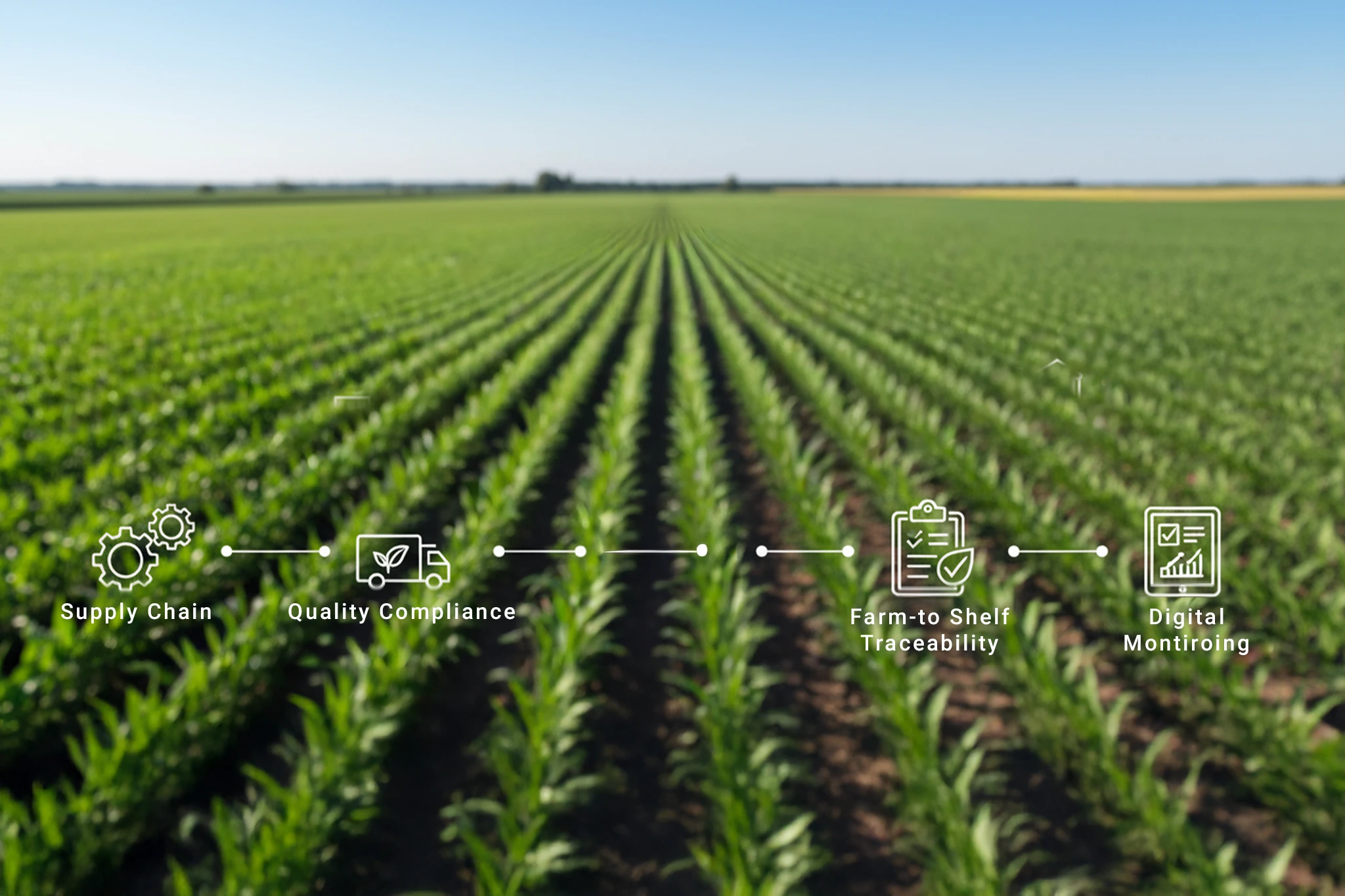
1. Optimized supply chains
2. Food safety and quality compliance
3. Identification of deforestation risks in the supply chain
4. Better price realization
5. Strengthened brand equity
6. Improved market access
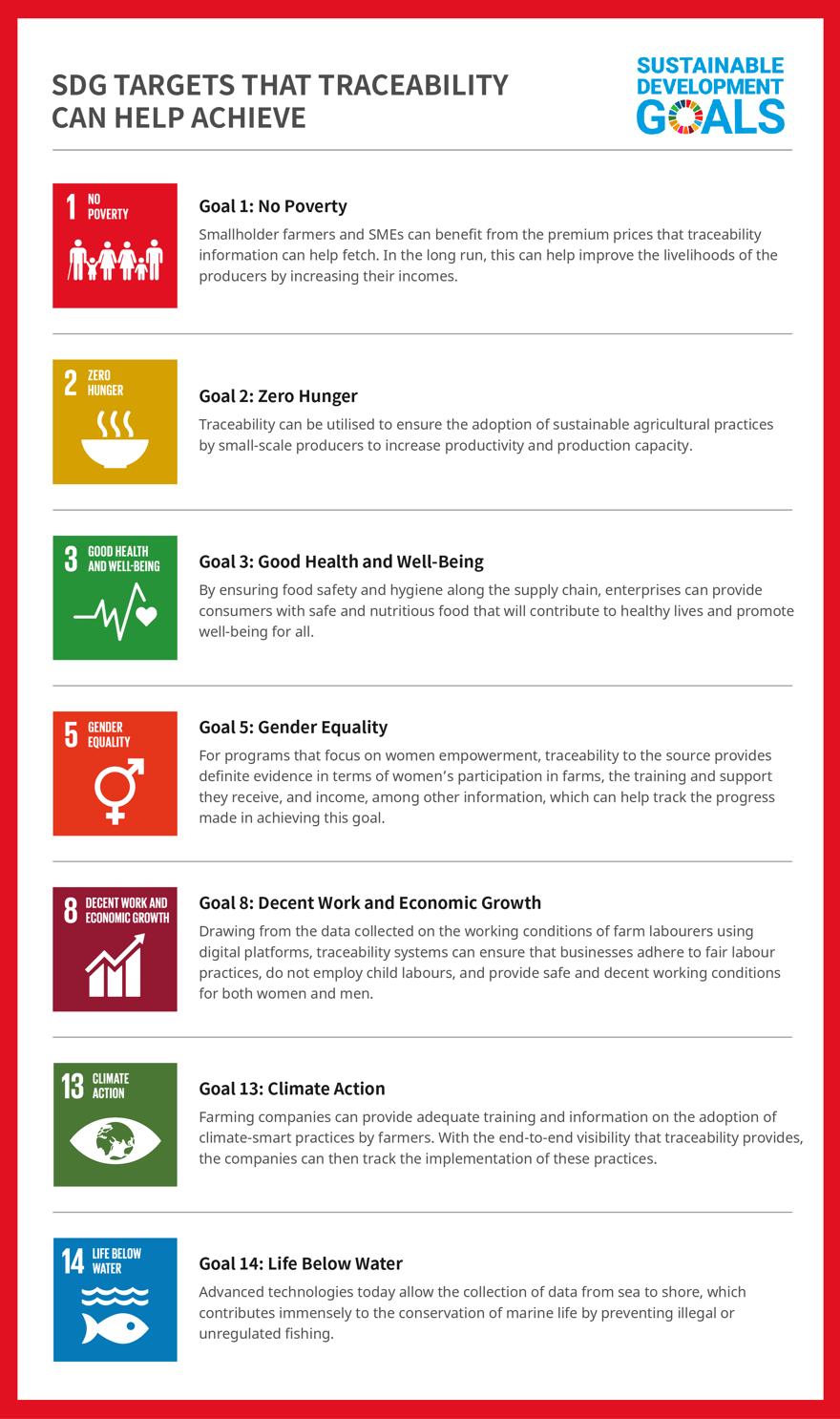
7. Contributing to the sustainable development goals
Several enterprises are identifying the role of traceability systems in supporting their mission to achieve sustainable development goals. At its core, the traceable information associated with each individually-labeled product can guarantee that the product was produced, packaged, and distributed sustainably.
Farm to fork– empowering agri-food supply chains to achieve their full traceability potential
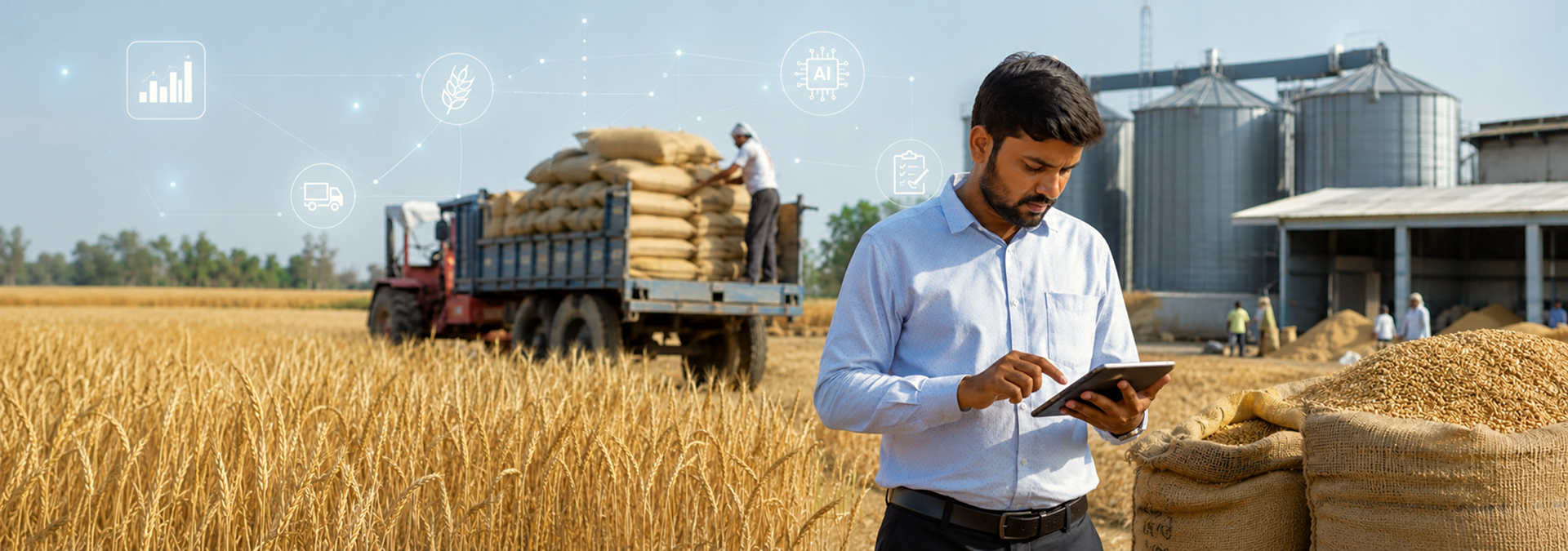
Agri-food supply chains are complex networks that span geographies and impact a broad range of industries and their operations. Implementing end-to-end traceability in agriculture contributes to more than just regulatory compliance or ensuring food safety. It lowers operational costs for producers, improves profitability, regulates fraudulent activities or unethical practices, and unlocks new business opportunities.
When stakeholders actively collaborate to implement a tech-enabled end-to-end traceability system, supply chains can achieve their full potential.
Watch this webinar to discover more about the applications of traceability in agriculture and some of the challenges it helps overcome.
How Traceability Supports EUDR, FSMA 204, and GlobalGAPCompliance.
EUDR Compliance and Deforestation Monitoring
FSMA 204 Traceability Requirements
GlobalGAP Certification and Farm Traceability
Why Agricultural Traceability Matters More from 2026
1. The Regulatory Convergence
2. Market Access and Retailer Requirements
3. Technology Enablement
Supply Chain Resilience
Ready to unlock the future of agriculture?
Frequently Asked Questions About Agricultural Traceability
What is EUDR and how does traceability help?
What is FSMA 204 and what traceability data does it require?
How does GlobalGAP certification connect to farm traceability?
What is the difference between traceability and supply chain transparency?
Author Bio
Haripriya Muralidharan
Haripriya Muralidharan leads content marketing at Cropin Technology Solutions, bringing a unique scientific rigor to brand storytelling. With a Master's in Chemistry from Pune University and research experience in cancer immunology, she discovered her passion in storytelling. For two decades, she has operated at the intersection of content, communication, and brand strategy, specializing in turning complex ideas into impactful narratives. Prior to Cropin, Haripriya leveraged her creative skills at Elsevier’s Chemical Business News Base and shaped multi-format content strategies for B2B marketing at Scatter.